
Spider control
- Home
- Spider control
Spider control

Ant control and prevention
Spiders can be a common concern for homeowners, especially when they appear indoors in corners, basements, or other quiet areas. While most spiders are harmless, some species can pose health risks due to their venomous bites. Having spiders in your home can be unsettling, whether you’re dealing with harmless house spiders or more dangerous species like the black widow or brown recluse.
That’s where Terminix comes in. DIY methods may be tempting to try to resolve your spider problem quickly. Most of the time, these solutions don’t address the root cause of the infestation and only target visible spiders. Our spider exterminators can help identify spider hotspots, remove webs, and create a long-term spider pest control plan to help prevent future infestations. When it comes to protecting your home and family, trust the professionals who set the standard.
How Terminix gets rid of spiders
Trying to handle a spider problem on your own can be tedious and ineffective. Here’s how our spider exterminators can help get rid of spiders in your home:
- Our technicians begin with a detailed interior and exterior inspection to locate spider activity and identify the species. Outdoors, they check areas like shrubs, awnings, doors, windows, and light fixtures. Indoors, they look in garages, closets, bathrooms, and other common hiding spots, removing webs, egg sacs, and spiders, if found.
- Once the inspection is complete, our spider exterminators will develop a targeted treatment plan. Depending on your home’s needs, this plan may include glue traps, monitors, repellent dust, physical or chemical de-webbing, or residual liquid treatments.
- Terminix spider pest control solutions are designed with your family and pets in mind. We use EPA-registered and organic products and follow integrated pest management (IPM) practices, focusing on targeted treatments and web removal to help reduce spiders while minimizing chemical use indoors.
- To help prevent future infestations, our technicians can use silicone sealant to seal minor gaps and cracks around your home, reducing potential spider entry points.
Types of spiders Terminix covers
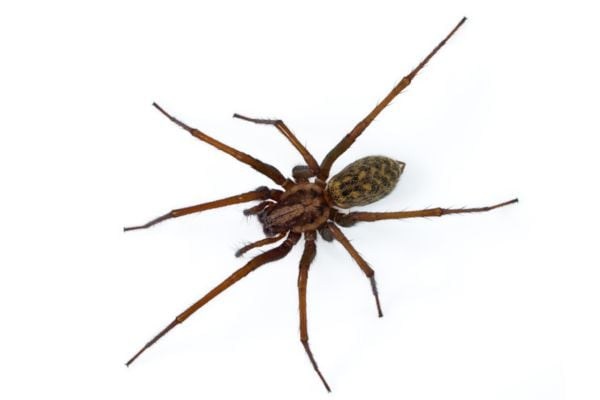
Did you know there are over 48,000 spider species worldwide? Around 4,000 of them can be found in the United States. Spiders we commonly remove from homes across the U.S. include sac spiders, wolf spiders, orb weavers, hobo spiders, cellar spiders, and house spiders. If you spot any of these spiders in your home, it may be time to call a spider exterminator.
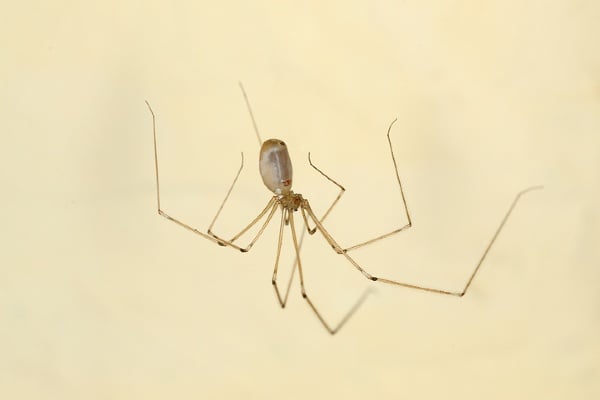
House Spiders
- House spiders are common indoor spiders that build tangled webs in quiet corners and are generally harmless to humans.
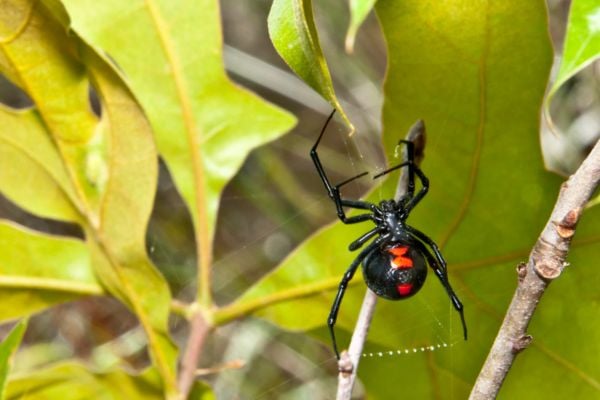
Black Widow Spiders
- Black widow spiders are venomous arachnids known for their shiny black bodies and distinctive red hourglass marking on the underside of their abdomens.
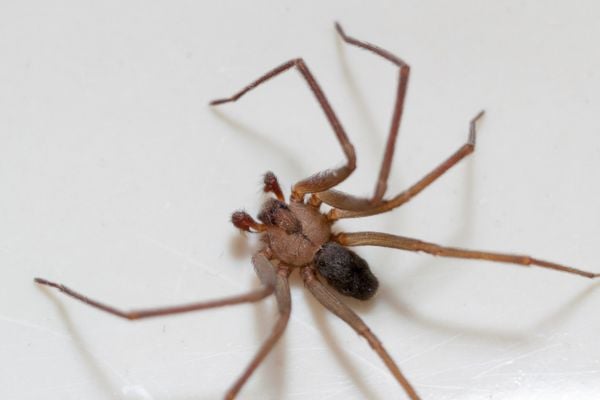
Brown Recluse Spiders
- Brown recluse spiders are reclusive, venomous spiders known for the violin-shaped marking on their back. They may hide in dark, undisturbed areas in homes, such as closets, attics, and storage boxes.
What attracts spiders to your home?
Spiders prefer to hide in quiet, undisturbed areas like basements, bathrooms, closets, and garages. They are typically drawn to homes due to:
- Accessible water
- Food sources, like other insects
- Changing weather conditions
- Easy entry points, such as cracks or open windows
Because they’re experts at staying out of sight, professional spider control may be needed to help locate them. Our spider exterminators can help locate hiding spots, identify the species, and recommend an effective removal and prevention plan.
Keep corners cobweb-free with spider pest control
Professional spider control is the most effective way to ensure proper removal, whether you’re seeing just a few spiders or dealing with a larger infestation. However, there are a few tips that can help prevent spiders in your home:
- Clean regularly: Vacuuming can help eliminate spiders, webs, and egg sacs, and reduce potential hiding spots. Also, cleaning less frequently used storage areas can help keep spiders away.
- Keep other bugs out: Install screens on windows and doors to reduce spider prey, like flies, from entering your home.
- Use glue traps: Sticky traps can help monitor and reduce spider activity indoors.
- Adjust outdoor lighting: Replace white lights with sodium vapor or low-UV LED bulbs to attract fewer insects and, by extension, fewer spiders.
- Close blinds at night: Reducing light visible outside can help limit the number of insects (and spiders) drawn to your home.
For added protection, consider our ongoing pest control plan, PestFree365+.6 With our pest control plan, you’ll have protection from up to 39 different pests, including brown recluse and black widow spiders.4
Contact an Agent
Spiders are one of the pests covered with a Terminix PestFree365 or PestFree365+ plan
PestFree365 Plan
- Interior and exterior pest inspection
- Regularly scheduled pest treatments
- It Guarantee which means if pests come back between treatments, so will we at no additional cost2
PestFree365+ Plan
- Protection from 39 pests,1 including 14 pests that may be costly to eliminate
- Regularly scheduled pest treatments
- It Guarantee which means if pests come back between treatments, so will we — at no additional cost
- PLUS unlimited protection from out-of-pocket costs4
One-time Pest Plan
- Interior and exterior inspection
- One pest treatment
- It Guarantee which means if pests come back within 30 days of your treatment, so will we — at no additional cost2
Frequently Asked Spider Questions
Spider control costs can vary by location, property size, level of infestation, and more. Terminix customizes your spider pest control plan to target the type of spider species infesting your property. Our technicians live in the surrounding areas and know the spiders that are specific to them. After a thorough inspection, they’ll be able to identify the spider species and put a treatment plan in place to help get rid of them. Schedule a free inspection to get started.
No, spiders are not poisonous, but most are venomous. However, venom is not always dangerous to humans. Spiders use their venom to kill their prey. A few venomous spider species are present in the United States and may seek shelter indoors. The two most venomous spiders in the United States are the brown recluse spider and the black widow spider.
Spiders can enter homes through gaps around windows, doors, and vents, but sealing these openings or replacing worn weather stripping can help keep them out. They can also hitchhike indoors by hiding in outdoor items like furniture, boxes, or firewood. Inspecting these items before bringing them inside can help prevent unwanted guests.
Attempting a do-it-yourself (DIY) or natural home remedy to remove spiders is often a homeowner’s first thought when they spot these pests, but it can cost more in the long run. To effectively remove spiders in your home, you must remove the spider, its web, and any egg sacs. It’s also important to remember that it can be challenging to determine if the spider in your home is venomous. While the chances are slim, it’s best not to try your luck. Our spider pest control services can help keep spiders out of your home.
Spiders typically fall into two categories: hunting spiders and web-building spiders. Hunting spiders like wolf and jumping spiders seek out their prey and are less likely to settle indoors, but they may wander in through open entry points or during bad weather. Web-building spiders, such as common house spiders and black widows, are more likely to live inside homes, where they can build webs and stay hidden.