
Mosquito facts, information, and photos
- Home
- Mosquito facts, information, and photos
Mosquito facts, information, and photos

Mosquito facts
With the weather warming up, spending time outdoors becomes more appealing. However, pesky mosquitoes can spoil the fun by leaving itchy bites and potentially spreading diseases. Learn more about these pests, what attracts them, and how to help prevent mosquitoes from taking over your outdoor spaces.
What is a mosquito?
Mosquitoes, a widespread group of flying insects, encompass over 3,500 species globally. These insects can thrive indoors and outdoors, biting day or night based on the mosquito type. Mosquitoes are prolific breeders, laying their eggs in stagnant or slow-moving water sources. Only females bite to retrieve a blood meal to produce eggs.
Certain mosquitoes can transmit pathogens by “picking up” viruses or parasites from infected animals. When an infected mosquito bites a human, there is a risk of pathogen transfer. A mosquito bite typically leads to itching and swelling in humans.
What do mosquitoes look like?
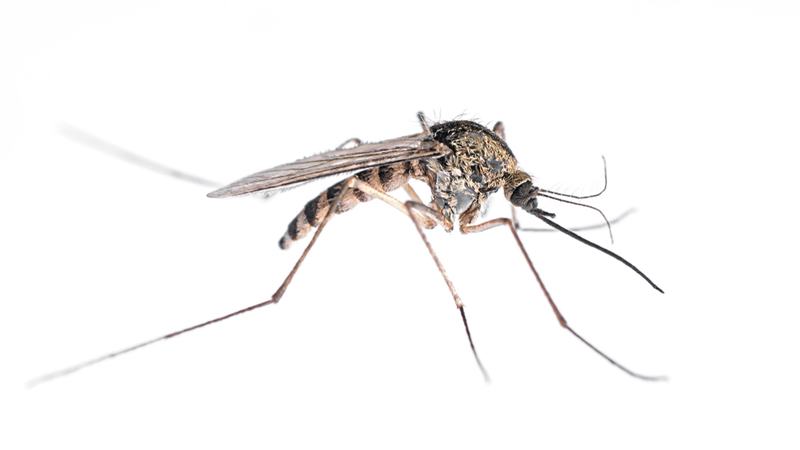
There are a few easy ways to identify mosquitoes. They have six legs and a pair of wings they use to fly. Their bodies are divided into three parts: head, thorax, and abdomen. Most adult mosquitoes range in size from one-quarter to one-half of an inch. One part of a mosquito that you may see with the naked eye is the straw-like structure that it uses to suck nectar or, in the case of female mosquitoes, pierce the skin and suck blood.
What are mosquito bite signs and symptoms on humans?
The itch of a mosquito bite may lead you to wonder what it’s all about. Mosquito bites are a common occurrence, especially on children in warm weather. The area where the mosquito pierces the skin can become red, swollen, and itchy.
Typically, minor reactions to mosquito bites involve localized symptoms like swelling, redness, and itching. However, children or individuals with compromised immune systems or severe allergies may exhibit more serious responses, such as extensive swelling and redness, hives, swollen lymph nodes, and even a low-grade fever.
The CDC suggests using over-the-counter anti-itch or antihistamine creams like calamine lotion to treat mosquito bites.
What health risks or diseases come from mosquitoes?
Mosquitoes are known vectors for several diseases that can pose health risks to humans. Some of the diseases carried by mosquitoes include Malaria, Dengue Fever, Zika Virus, West Nile Virus, Yellow Fever, and Chikungunya.
These diseases vary in severity and geographic distribution, emphasizing the importance of mosquito control and prevention strategies to minimize health risks. Most of these diseases are rare, and few cases are found within the U.S., apart from the West Nile virus.
Protect your yard with our Mosquito Repellent System
In addition to our standard mosquito treatments, we separately offer the Mosquito Repellent System,1 which provides continuous, long-lasting protection to serviced areas by releasing a mosquito-repelling barrier into the air. This system:
Repels mosquitoes in outdoor living spaces.
Covers large areas with multiple repellers for maximum protection.
Includes expert installation and maintenance for optimal results.
To get started, schedule your mosquito inspection with our experts!
Bundle mosquito and tick control to save
For complete pest control, we also provide a combined mosquito and tick treatment option, offering dual protection for your family and pets. Our targeted treatments:
Eliminate adult mosquitoes and ticks while disrupting their life cycles.
Focus on key areas like tall grass, mulch beds, wooded edges, and standing water.
Include expert recommendations to reduce breeding and resting sites.
Protect your family and pets from mosquitoes and ticks—purchase your treatment online today!