
Flies
- Home
- Flies
Flies

What are flies?
You hear the unmistakable buzzing near your ear, and before you know it, a fly is circling your kitchen, dodging every swat you throw at it. Whether they’re hovering over food, landing on surfaces, or appearing out of nowhere, flies in the house are one of the most frustrating and persistent indoor pests. Flies, which have the scientific name Diptera, are an insect group characterized by having just one pair of wings for flight. Like their close relatives, mosquitoes, certain types of flies can be more than just annoying—they can spread bacteria and disease-causing pathogens. Here’s what you need to know to identify, manage, and keep these pests away.
What do flies look like?
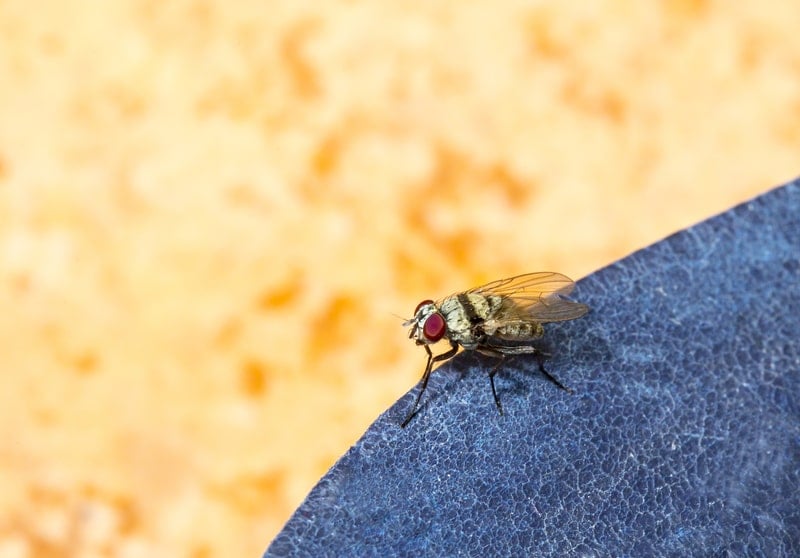
At first glance, flies may seem easy to identify, but with so many different types of flies, their appearance can vary. However, all flies share key characteristics that help them detect food, navigate their surroundings, and avoid threats.
- One pair of wings: Unlike most insects, flies have just one functional pair of wings, with small organs called halteres that help with balance.
- Large, movable head: Their flexible head allows quick reactions when feeding or escaping danger.
- Large eyes: Made up of thousands of tiny lenses, their compound eyes give them nearly 360-degree vision, making them difficult to swat.
- Six legs: Equipped with tiny claws and adhesive pads, their legs help them cling to surfaces, including ceilings.
- Mouthparts adapted for a liquid diet: Since flies can’t chew, they use specialized mouthparts to suck up liquids, which is why they’re drawn to sugary spills and rotting food.
- Highly developed senses: Flies rely on their antennae to detect airborne chemicals, while taste receptors on their feet let them “taste” surfaces before feeding.
These traits make flies more than just a nuisance. They are highly evolved pests with exceptional survival instincts.
Fly habitats and common behaviors
Flies are found in nearly every environment, from bustling cities to remote rural areas. Their adaptability allows different types of flies to thrive in a variety of conditions, especially in damp, humid spaces where food sources are abundant.
- General habitats: Flies are highly adaptable and can live in urban, suburban, and rural areas. They are most commonly found near food sources, garbage, standing water, and decaying organic matter.
- Aquatic flies: These flies develop in or near water sources, using standing water as a breeding ground. Mosquitoes and certain midges fall into this category.
- Parasitic flies: Some fly species rely on other organisms to survive, laying their eggs on or inside hosts. These flies can impact both animals and humans.
- Pollinating flies: Like bees, these flies help with plant reproduction by transferring pollen between flowers. They play an essential role in ecosystems.
- Indoor flies: Certain flies, like fruit flies, are common in homes, especially in kitchens. They are drawn to overripe produce and sugary substances.
Flies exhibit common behaviors such as gathering in large groups, persistently buzzing around, and landing on various surfaces. Their ability to adapt to different environments and feeding sources makes them one of the most resilient and widespread pests.
What do flies eat?
A fly’s diet consists of a wide range of substances, many of which are far from appetizing to humans. Houseflies and fruit flies are drawn to trash bins, decaying plant matter, rotting meat, and even animal feces. Some types of flies, like blowflies, prefer decomposing organic material, while others, such as horseflies, have a more specialized diet. Female horse flies feed on blood, using their sharp mouthparts to bite, while males consume nectar and pollen. With such varied feeding habits, flies can be both a bother and a health risk, making proper sanitation essential for keeping them away.
Fly reproduction and life cycle
A fly’s life cycle is short but highly efficient, allowing populations to grow rapidly. From egg to adult, flies undergo complete metamorphosis in just a matter of days, depending on environmental conditions. Here’s how they develop:
- Eggs: Female flies lay their eggs on rotting material, feces, or other food sources to ensure that the newly hatched larvae have immediate access to nourishment. Some species can lay up to 120 eggs in a single batch.
- Larva (Maggots):Baby flies, commonly known as maggots, hatch from the eggs within a few hours to a day. These small, pale, wriggling larvae lack wings and spend their time feeding and growing.
- Pupa: After molting several times, the larva encases itself in a hard shell called a puparium. Inside, the fly transforms into its adult form over the course of three to six days.
- Adult: Once fully developed, the adult fly emerges from the pupal case, ready to feed, mate, and reproduce.
When it comes to how long flies can live for, there’s a common myth that flies only live for 24 hours. However, their actual lifespan varies. A male housefly typically lives around 15 days, while females can survive up to 25 days. However, factors like temperature, food availability, and predators—including frogs, spiders, birds, and even carnivorous plants like Venus flytraps—can impact their survival.
Are flies seasonal?
Yes, flies are seasonal pests. While they can be found indoors year-round, flies thrive in warm temperatures. In colder climates, their activity slows down significantly during the winter, but populations increase in spring, summer, and fall when conditions are ideal for breeding. Some types of flies may seek shelter indoors to survive colder months, leading to occasional sightings even in winter.
Flies vs. gnats
Although gnats may look like smaller versions of flies, they are an entirely different species. Flies are generally larger, with more developed wings and stronger flight capabilities, whereas gnats are delicate and tend to hover in swarms. Despite their differences, fruit flies, gnats, and even fly larvae can often be found in the same environments, especially near decaying organic matter or damp conditions.
Do flies bite?
Not all flies bite, but some species are equipped with specialized mouthparts that allow them to pierce the skin and feed on blood. Biting flies, such as horse flies, deer flies, black flies, and stable flies, use their sharp mouthparts to extract blood from humans and animals, often leaving painful, itchy welts. These bites can also transmit diseases from flies, making them a serious problem.
Unlike biting flies, common household pests like house flies and fruit flies do not bite. Instead, they have sponging mouthparts designed to feed on liquids, including sugary substances, decaying food, and waste. However, while these non-biting flies don’t directly harm humans, they can still spread bacteria by landing on food and surfaces.
If you’re dealing with fly bites, cleaning the affected area and using insect repellent can help reduce irritation and prevent future bites. Preventative measures, such as sealing entry points and eliminating standing water, can also keep biting flies from becoming a persistent problem.
Why are flies in my house all of a sudden?
The main reason flies invade homes is to find food, moisture, and shelter. What attracts flies to houses includes leftover food, trash, pet waste, and even damp drains. Once they find an entry point—whether through an open window, door, or small crack—they’ll settle in and multiply. Fruit fly eggs are commonly brought in on produce like apples, bananas, watermelons, and more. Eliminating food sources, washing produce, and sealing entryways are key to keeping flies out of your house for good.