
Ant control and prevention
- Home
- Ant control and prevention
Ant control and prevention

Ant control and prevention
Ants can be a persistent and damaging pest. Professional ant control offers effective solutions tailored to your specific problem.
Need an ant exterminator?
With over 95 years of experience in the pest control business, we understand how important it is to keep your home and family safe, especially when it comes to ants! Ant infestations can be incredibly difficult to eradicate due to their complex social structures and ability to relocate colonies quickly. Certain types of ants, like carpenter ants, can cause significant structural damage to your home. Our professional ant control solutions offer targeted solutions, expert identification of ant species, and access to powerful treatments.
How technicians help get rid of ants
While DIY methods can work to remove a few ants, they are unlikely to fully eliminate them. Different types of ants require different ant control treatments. At , our technicians know how to get rid of ants, including odorous, carpenter, pavement, fire ants, and more.
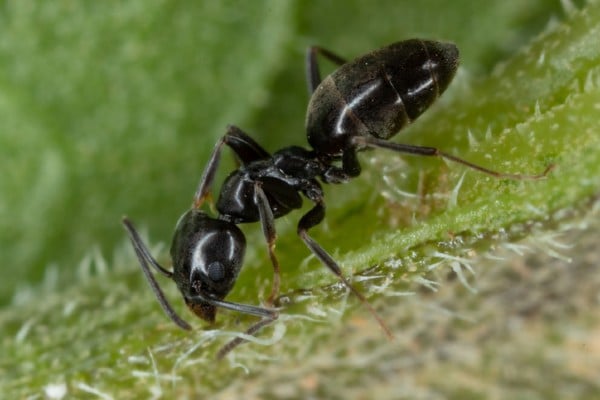
Odorous house ants
- This ant species often sneaks indoors looking for sweets and moisture, typically found around kitchens and bathrooms. A simple soapy water wipe-down and sealing of food sources can usually send them packing.
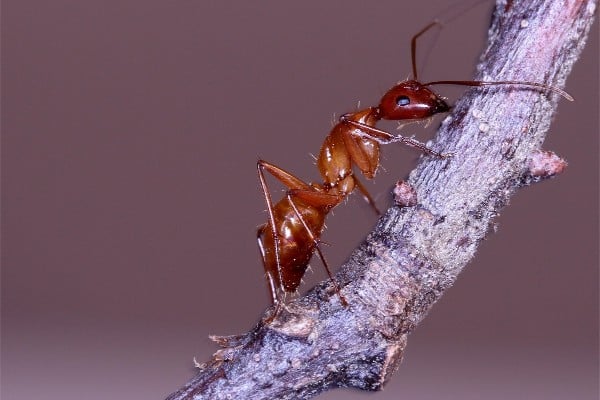
Carpenter ants
- Big and bold, carpenter ants excavate wood to build their nests, so you'll often spot them in damp wood areas like around windows or under decks. Baiting with a slow-acting insecticide is crucial to reach the entire ant infestation.
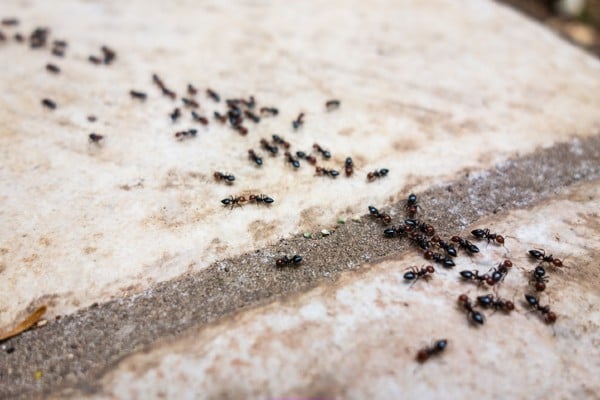
Pavement ants
- These tough cookies are common outdoor dwellers, but they'll wander inside for food, especially in the kitchen or near foundation cracks. A barrier treatment around the house and baiting can help keep pavement ants on the sidewalk where they belong.
What to expect with ant control
Keep your home protected from ants with our expert ant control services! Our ant exterminators are equipped with effective strategies and treatments to eliminate infestations and prevent future issues. Here’s how it works:
Stay protected from ants with a plan
Are you looking for a long-term ant control solution? Consider one of our ongoing pest control plans. plan includes protection from 25 common household pests1, including house ants. Our provides protection against 39 household pests3 that may require a more specialized treatment plan, including crazy ants, carpenter ants, and fire ants.
Our PestFree365 plans include regular inspections and treatments inside and outside your home. These two steps are crucial when trying to prevent and eliminate ant infestations.!
Contact an Agent
Frequently asked ant control questions
Ant control costs can vary by location, property size, infestation size, and service type. Curative services address existing infestations, which may be more costly than preventative services. With Terminix, you receive a customized plan targeting the specific ant species affecting your property. Our technicians conduct a thorough inspection to identify the species and create a treatment plan tailored to your home’s needs.
Sudden ant infestations can occur for several reasons, such as changes in environmental conditions or food availability. As the weather warms up, ants may enter homes searching for food and shelter, especially if their outdoor nests are disturbed by rain or construction. Factors like leftover food, spilled liquids, or unsealed garbage can also attract ants indoors.
Common signs of an ant infestation include seeing trails of ants, especially in kitchens or near food sources, finding small nests made of dirt or soil, and noticing ants entering through cracks or crevices in walls and foundations. If you observe these indicators, you likely have an ant infestation and should consider professional ant control services to prevent the problem from escalating.
While over-the-counter ant sprays and DIY methods may seem like a quick fix, they are not effective for long-term ant control. These products do not leave any residual effects and do not address the underlying issue — the ant nest and colony. Ant queens can lay up to 800 eggs a day — the faster you receive professional ant pest control services, the better! Terminix’s ant exterminators use customized treatment strategies to get rid of ants from your home and eliminate the entire colony.
Ants can nest in various places, so finding them all may be challenging. Terminix ant exterminators are the best resource for locating ant nests, as they have the expertise and tools to effectively identify and eliminate the infestation. To look for on your own, check these common places:
- Under kitchen appliances like stoves and refrigerators
- In basements, attics, and other dark, secluded areas
- Inspect your home’s foundation
- Look around pantries or storage areas where food is kept