
Moth control
- Home
- Moth control
Moth control
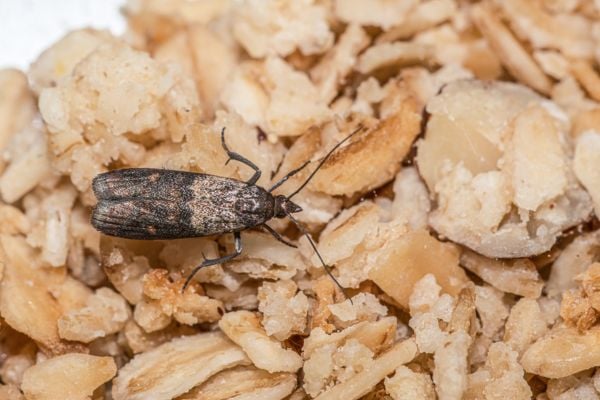

Moth control
Although they are not particularly dangerous, some moths can cause irreparable damage to personal belongings and their larvae may even attack food in your pantry, making these pests a frustrating nuisance.
How does get rid of moths?
After an initial inspection, your technician will gain a deeper understanding of the types of moths you’re dealing with, how these moths are getting into your home, and identify food sources that are keeping them there. Based on time-tested knowledge and innovative techniques, they’ll work with you to customize an effective moth infestation treatment plan to help eliminate them.
Once your initial inspection and treatment have been completed, routine follow-up inspections can be scheduled with your technician to be sure your moth infestation stays under control.
If you notice any of these signs, it’s important to take action to prevent a larger moth infestation. Our experts at are here to help assess the situation and can develop a plan for effective moth control.
Signs of clothes moths and infestations
When moths are in need of shelter or food, they may decide to take up residence in your home. Light from your home can attract these pests, and once they enter your home, they can be tricky to get rid of. If clothes moths are present in your home, here are some signs to look out for:
- The presence of adult moths or their larvae.
- Webbing or cocoons on fabrics and holes in clothing or other fabrics.
- In the kitchen or pantry, moths can infest stored food products like grains, cereals, and flour, leaving behind holes or other damage. They can also be found in pet food and birdseed.
- In other areas of the home, clothes moths can infest items like upholstery, rugs, and curtains.
If you notice any of these signs, it’s important to take action to prevent a larger moth infestation. Our experts at are here to help assess the situation and can develop a plan for effective moth control.
We know moths
As the experts in moth control, our technicians are educated on both adult moths and their larvae, and know how to control these pests at every life stage.
- Clothes moth larvae are able to feed on almost any item made of natural fibers, particularly wool and cashmere.
- Indian meal moth larvae can damage more food by contaminating it than by eating it.
- Clothes moths tend to stay confined near clothing, which can make them easier to control.
- Indian meal moths may get into your house via stored food products and from outside nature.
Keep moths away from your home
Keeping moths away from your home is the best way to prevent an infestation. Here’s how to keep these pests away:
- Seal up any holes or cracks in your home’s foundation.
- Keep screens on your windows and doors.
- Vacuum and dust regularly to eliminate food sources.
- Store dry goods such as flour, beans, cereal, and pet food in sealed glass or plastic containers that moths cannot penetrate.
- Use airtight storage containers for clothes, linens, and other fabrics.
- Using cedar chips or blocks, mothballs, or essential oils like lavender and peppermint can deter moths, as they do not like the smell.
To ensure your home stays pest-free, you can rely on our experts at for effective and affordable pest control services.
Contact an Agent
Frequently asked ant control questions
Moths can enter your house through open windows, doors, or small cracks in walls and foundations. Pantry pests, like Indian meal moths, commonly come into a home via infested grain, bird seed, or pet food. They are attracted to sources of light and warmth, which is why you might find them around lamps, televisions, or other electronic devices. Additionally, moths are attracted to food sources, such as grains, cereals, and pet food.
At Terminix, moth control is included in our general pest control plans. We also treat other common pests, such as mice, rats, roaches, spiders, and ants. Our pest control service includes a comprehensive interior and exterior inspection and treatment. All moth pest control plans are protected with the Nix guarantee – if pests come back between treatments, so will we.
The lifecycle of a moth consists of four stages: egg, larva, pupa, and adult. After mating, female moths will lay their eggs in a safe place. The moth then hatches into a larva, also known as a caterpillar. As the larva continues to develop, it will molt its skin several times as it grows. Once mature, the moth will create a cocoon to pupate in as it morphs into an adult moth, which then emerges from the cocoon and begins the new lifecycle by laying eggs.
To kill moths, one option is to use pheromone moth traps, which attract and kill moths with a sticky substance they cannot escape from. Washing any infested clothes or linens and drying them on high heat will kill moth eggs. In addition, vacuums and fly swatters can kill moths. However, if you are dealing with a serious moth infestation, it’s best to seek professional help from.