
Earwig Facts, Information, and Photos
- Home
- Earwig Facts, Information, and Photos
Earwig Facts, Information, and Photos
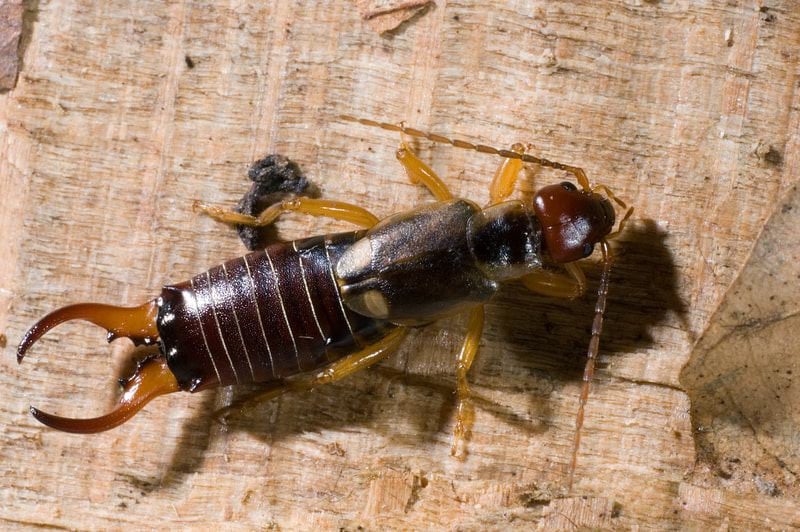

Earwigs are small insects that, for the most part, live outdoors but sometimes make their way into homes. These creatures get their name from a long-standing, untrue myth that they will crawl inside your ear and either lay eggs or dig into your brain. While relatively harmless to humans, earwigs look intimidating, possessing a set of pincers on their rear.
While they don’t pose much of a threat to humans, they can cause problems in your garden, potentially damaging plant leaves and flowers.
In this article, we’ll help demystify these pesky creatures for you, as well as arm you with the information you need to help prevent an earwig infestation. We’ll also share the answers to some of the most common questions we hear about earwigs, including:
What are earwigs (pincher bugs)?
Sometimes referred to as “pincher bugs” or “pincer bugs,” earwigs are small nocturnal insects that usually live outdoors but sometimes enter houses in search of food, water and places to hide.
There are over 2,000 different earwig species in the world, with 22 of them living in the United States.
Eggs
Once laid, earwig eggs hatch after about seven days. A female earwig can lay between 20 and 60 eggs at a time. An earwig is one of the few insects that takes care of its eggs until they hatch.
Molts (instars)
Molting is the process of shedding old skin and growing a new one. As nymphs go through molting, they grow larger, finally acquiring the features of an adult insect, such as wings.
Adults
The average lifespan of an earwig – including its time as a hatchling through adulthood – is approximately one year.
Earwig habitats and behaviors
Earwigs are semi-social nocturnal creatures that gather in groups. They prefer to live in moist and humid places and thrive in warmer climates. Outside, you could find them under a pile of wet leaves, garden mulch, or grass clippings.
Although earwigs primarily can be found outdoors and are not typically attracted to homes, they may hide inside cracks and crevices that have a nearby source of water. This usually includes kitchens and bathrooms.
What do earwigs eat?
Earwigs are omnivores that will eat either other insects or vegetation. They have been known to feast on both live prey and dead insects. If no prey is available, earwigs happily munch on grass, flowers, and other plant matter. If an earwig makes its way indoors, these opportunistic eaters will seek out dry goods like flour, and and other pantry staples such as bread or even cookies, if available.
Common types of earwigs
While there are more than 22 earwig species living in the United States, fortunately most homeowners only have a chance to meet a few of them. Here are some of the most common types of earwigs you may encounter:
European Earwigs (Forficula auricularia)
These earwigs are around 12 to 15 mm long. They have two sets of wings but very rarely use them to fly. European earwigs burrow underground to live through the winter.
How do you get rid of earwigs in your home and yard?
If you notice earwigs in your home or yard, it’s time to take action to remove them.
While earwigs can be beneficial to your yard as they feed on plant-destroying aphids, earwigs can also munch on some of your prized flowers and produce from your garden.
In the event that earwigs have infested your home, you can simply vacuum and sweep them up. Be sure to empty your vacuum cleaner or bag to properly dispose of earwigs and seal any cracks where they can enter. Contact a licensed, professional pest control company for help with your specific situation.
Contact an Agent
Earwigs are one of the 25 pests covered with a Terminix PestFree365 pest control plan.
PestFree365 Plan
- Interior and exterior pest inspection
- Regularly scheduled pest treatments
- It Guarantee which means if pests come back between treatments, so will we at no additional cost2
PestFree365+ Plan
- Protection from 39 pests,1 including 14 pests that may be costly to eliminate
- Regularly scheduled pest treatments
- It Guarantee which means if pests come back between treatments, so will we — at no additional cost
- PLUS unlimited protection from out-of-pocket costs4
One-time Pest Plan
- Interior and exterior inspection
- One pest treatment
- Terminix It Guarantee which means if pests come back within 30 days of your treatment, so will we — at no additional cost2